Frontend Banking Platform:
Design System Implementation
Translating a strategic visual overhaul into embedded organizational practice across design, product, and engineering.
The Challenge
When our lead designer came to my team with a strategic vision for a comprehensive visual update to our online banking platform, I took ownership of translating that vision into organizational reality. While our Director sponsored the initiative, my role was to bridge design intent with product and engineering execution — ensuring that strategy became embedded practice across the organization.
The challenge was multifaceted: align disparate teams around a new visual system, maintain consistency across hundreds of components, and equip product teams to self-serve variable configurations without constant design involvement.
02 — Approach
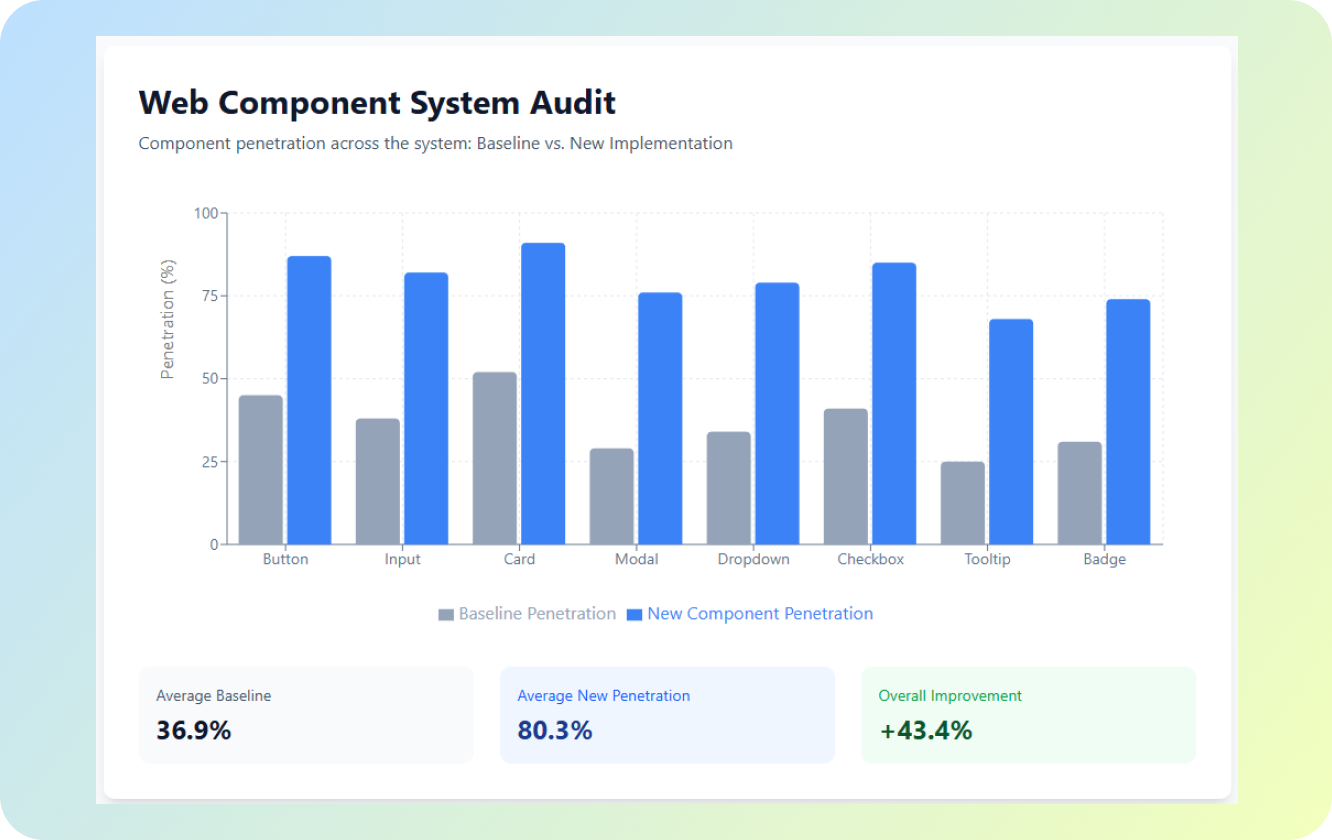
Systematic Auditing & Strategic Coordination
I built a three-part methodology to ensure successful implementation:
Platform Audits — Systematically documented visual inconsistencies and gaps across the existing platform, creating a baseline against the new system standards.
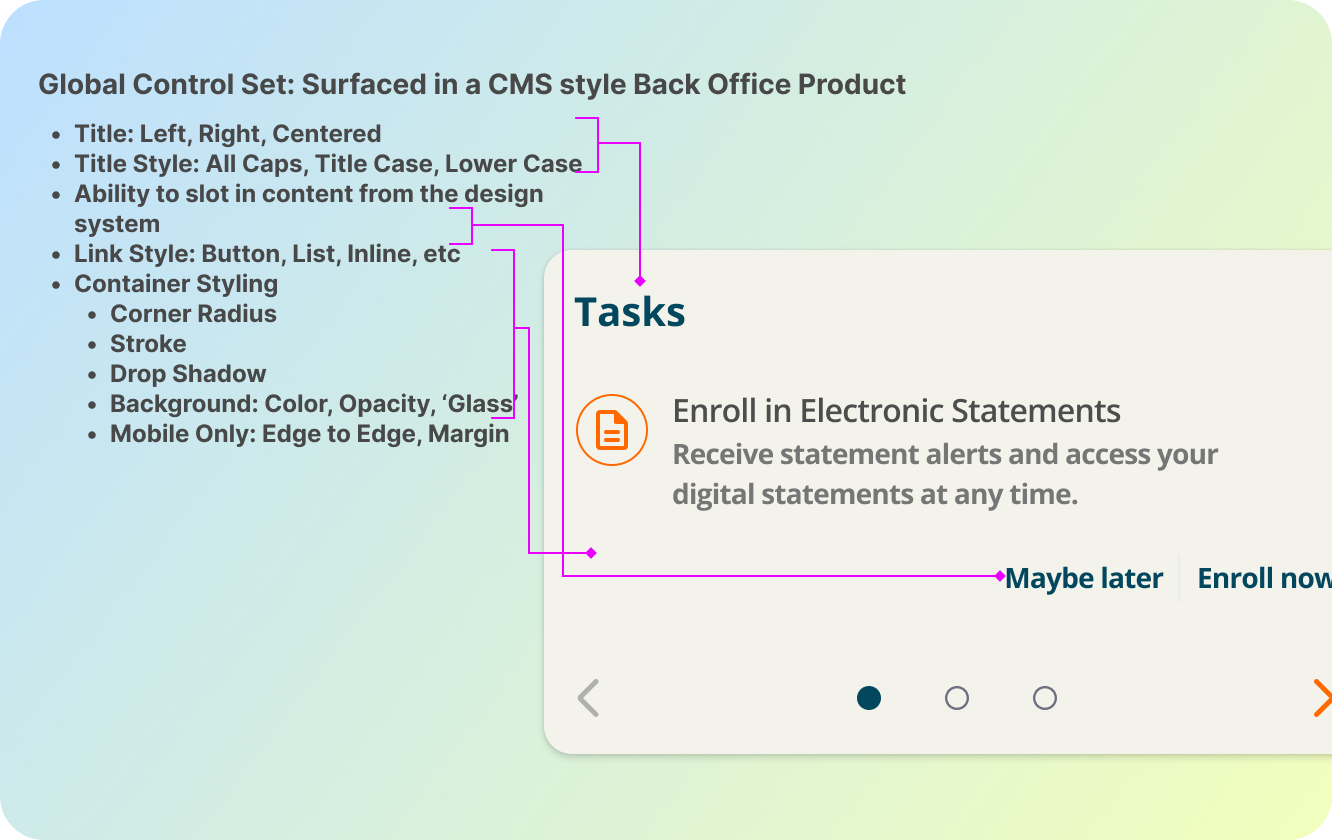
Cross-Functional Alignment — Facilitated structured meetings with product and engineering teams to align on implementation, not debate. The goal was clarity: ensuring visual assets matched system output and that new UI variables were properly exposed in our back office system.
Knowledge Transfer — Designed workshops to coach teams on component consumption, establish clear handoff standards, and create specifications that eliminated ambiguity in development.
03 — Execution
Bridging Design Intent with Technical Reality
The implementation phase required constant coordination between design vision and engineering feasibility. My work centered on three key deliverables:
Variable Configuration System — Worked with engineering to expose thousands of new UI variables in the back office, enabling product teams to configure visual options independently rather than requesting design support for every change.
Documentation & Specifications — Created comprehensive asset handoff documents with clear specifications that eliminated ambiguity and reduced back-and-forth cycles between design and development.
Team Workshops — Conducted targeted sessions coaching teams on component consumption, establishing visual standards, and demonstrating how to achieve consistency using the new system.
04 — Impact
Organizational Scale & Embedded Practice
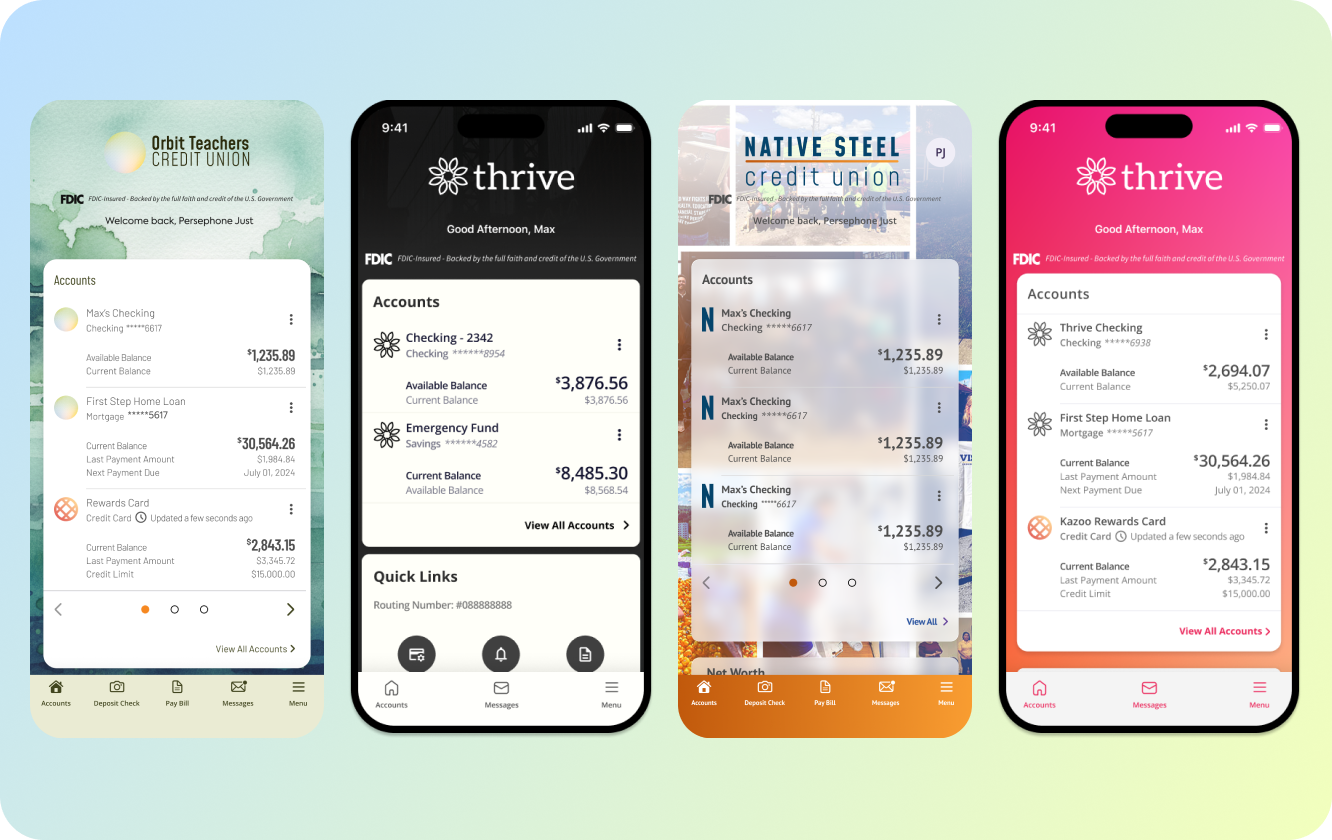
The outcomes extended far beyond the initial visual update. By creating infrastructure for self-service configuration and establishing clear system standards, we transformed how the organization builds and maintains visual consistency.
1K+
New UI variables added to system
2–3
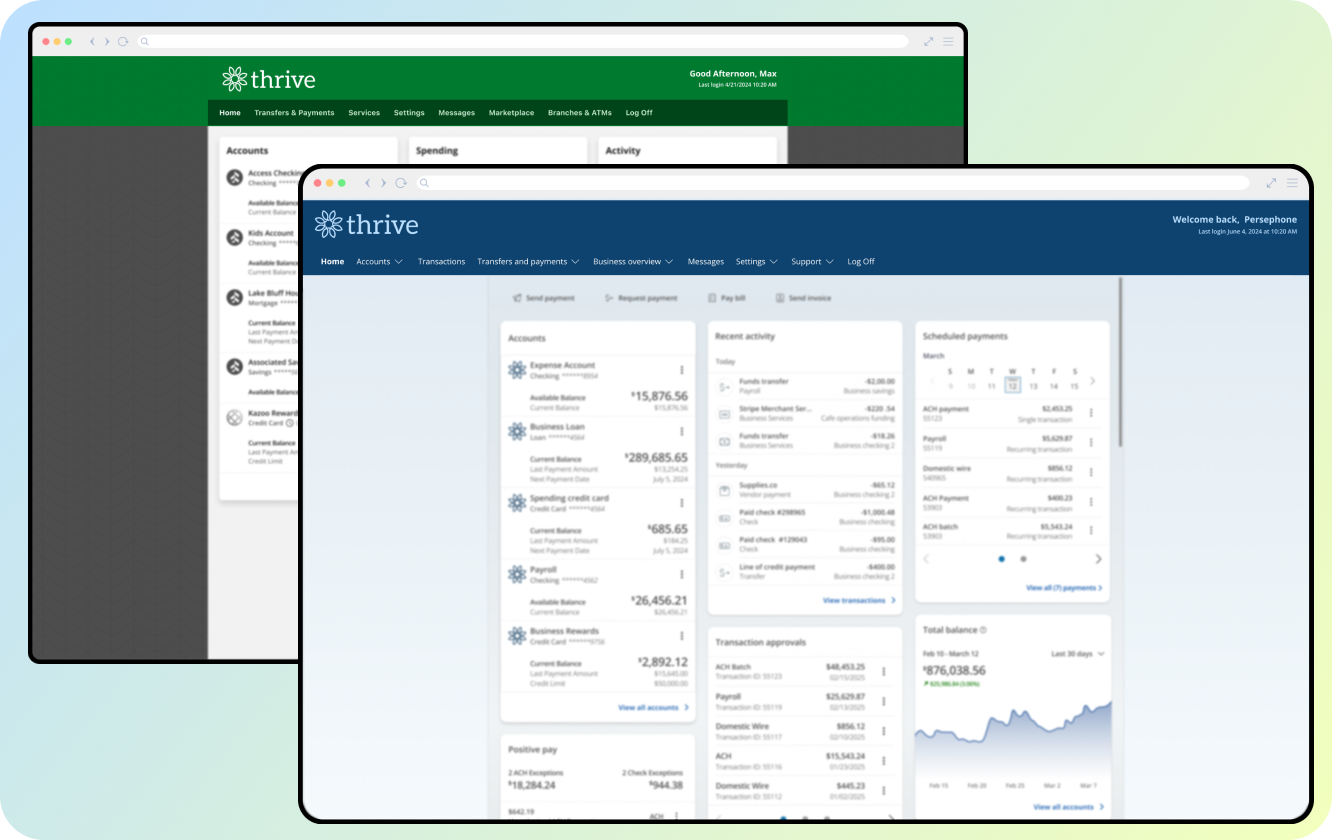
New navigation styles implemented
↓ Dev
Self-service config reduced dev cycles
Sales & Leadership Enablement — Assets became foundational materials for prospect presentations, positioning our design maturity as a competitive differentiator.
Engineering Efficiency — By exposing variables for configuration, product teams gained independence. Development time decreased because design didn't become a bottleneck for visual variations.
Design System Maturity — New platform features began adopting visual standards with consistency we'd struggled to maintain before. The system wasn't just designed — it was embedded into how the organization builds.
05 — Takeaway
Strategy Requires Execution
"Even the most thoughtful design strategy fails without operational discipline."
This project taught me that my role was less about designing and more about creating the conditions for the vision to succeed — auditing, aligning, equipping, and removing friction. The result wasn't just a visual refresh. It was an organization that could sustain design consistency at scale.